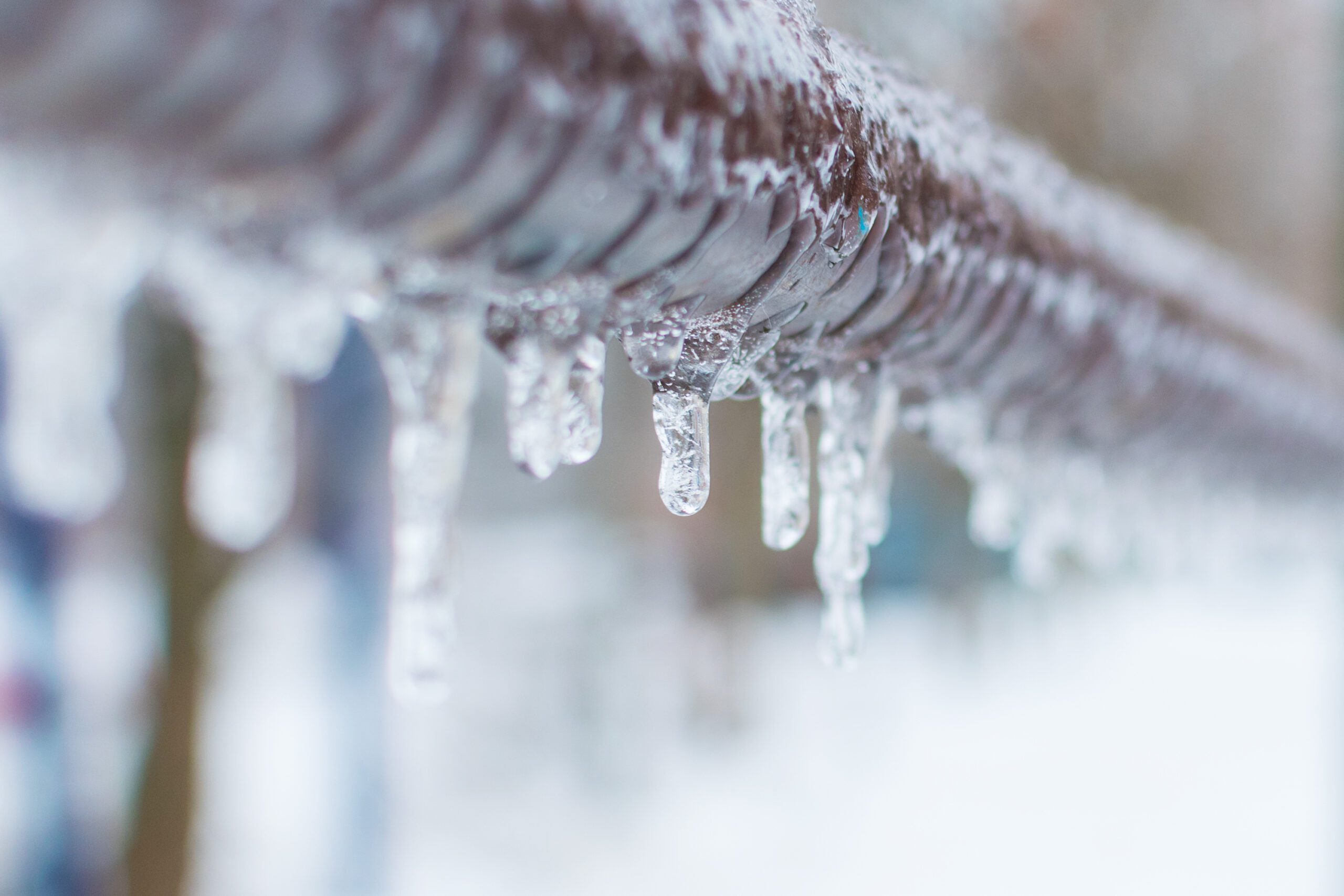
As winter approaches, one of the most common plumbing issues homeowners face is frozen pipes. When water freezes, it expands—and that expansion can create enough pressure to crack or burst a pipe. Once that happens, you could be dealing with major leaks and costly water damage.
Pipes in colder areas, such as basements, attics, crawl spaces, and garages, are the most vulnerable. Even short drops in temperature can be enough to cause trouble. The best defense is early preparation, and a few small steps now can save you from a stressful repair later.
Insulate and Seal the Cold Spots
Take a walk through your home and look for any exposed pipes or those near exterior walls. If you can see them, they’re probably at risk. Adding a simple layer of insulation—foam sleeves or rubber tubing—goes a long way toward keeping water inside those pipes from freezing solid. In spots that get especially cold, like crawl spaces or garages, a heating cable can add an extra layer of protection.
It’s also worth checking for drafts. Cold air sneaking in through cracks or holes around pipes can drop the temperature enough to freeze water inside. Seal those gaps with caulk or expanding foam to keep warm air in and cold air out. That small bit of maintenance can make a big difference once the frost sets in.
Keep the Water Moving
When temperatures drop sharply, even well-insulated pipes can freeze. One easy trick to prevent that is to let a small amount of water drip from a faucet connected to exposed pipes. Moving water is far less likely to freeze, and the steady flow helps relieve pressure inside the line.
Inside your home, don’t turn the heat down too low—especially at night or when you’re away. Keeping your thermostat around 55°F or higher provides a buffer against freezing. It also helps to open cabinet doors under sinks along exterior walls so warm air can circulate around the plumbing.
Pay Attention to Outdoor Plumbing
Outdoor faucets and water lines need just as much attention as indoor pipes. Disconnect all garden hoses, shut off the water supply to exterior spigots, and drain any remaining water. Once that’s done, cover those faucets with insulated sleeves or covers to keep them from freezing.
If your home has a sprinkler system, it’s smart to winterize it before the first hard freeze. Leftover water in those lines can expand and crack underground pipes, which can be expensive to fix once spring arrives.
What to Do If a Pipe Freezes
If you turn on a faucet and nothing—or just a trickle—comes out, there’s a good chance the line has frozen somewhere. Don’t panic. Leave the faucet open to prevent pressure from building, and gently warm the frozen section with a hair dryer or a heating pad. Avoid using an open flame—it’s dangerous and can damage the pipe.
If you can’t locate the frozen spot or the pipe is behind a wall, it’s best to call a professional plumber. And if a pipe has already burst, shut off your home’s main water supply immediately to minimize damage before help arrives. Knowing where that shut-off valve is ahead of time can make all the difference.
Get Winter-Ready with Ensor Plumbing
Cold weather can be tough on plumbing, but a little preparation goes a long way. The team at Ensor Plumbing can inspect your system, insulate vulnerable pipes, and make sure your home is ready for freezing temperatures. And if the worst happens, we’re available for emergency plumbing services—day or night.
Don’t wait for a cold snap to find a problem. Schedule your winter plumbing checkup today and enjoy peace of mind all season long.