
You probably use your home’s water dozens of times before lunch. You make coffee, brush your teeth, fill a water bottle, run the dishwasher, start a load of laundry, and maybe water the garden. Most of the time, you turn on the faucet without giving the water itself much thought.
Then something changes.
The water starts tasting unusual. A cloudy film appears on your glasses. White buildup collects around the faucets. Rust-colored stains show up in a sink, or your shower leaves your skin feeling drier than usual.
August is National Water Quality Month, making it an ideal time to pay closer attention to the water flowing through your Maryland home. The observance is intended to encourage awareness of clean water and the importance of protecting and managing our water resources.
Some water quality problems are easy to spot. Others, including pH imbalances, nitrates, bacteria, and dissolved minerals, may require testing before you know they are present. That is why understanding your water source and choosing the correct treatment solution matter.
Why Your Home’s Water Quality Matters
Water quality affects more than what comes out of your drinking-water faucet.
The same water travels through your pipes, water heater, washing machine, dishwasher, faucets, showerheads, and other fixtures. When the water contains excess minerals, sediment, iron, or has an improper pH, the effects can appear throughout the house.
For example, hard water can leave scale on fixtures, make soap less effective, spot dishes, and contribute to buildup inside plumbing and water-using appliances. Acidic water can contribute to pipe corrosion, blue-green staining, metallic taste, and pinhole leaks.
Water quality issues generally fall into two categories:
- Aesthetic concerns, such as an unpleasant taste, odor, color, cloudiness, staining, or mineral buildup
- Health-related concerns, such as certain bacteria, nitrates, or other contaminants identified through appropriate testing
Not every unusual taste or stain represents a health hazard, but it is still worth investigating. Guessing based on appearance alone can lead homeowners to purchase a filter that does not address the actual problem.
Municipal Water and Well Water Have Different Needs
Maryland homeowners generally receive water from either a public utility or a private well. Both sources can benefit from treatment, but they require different approaches.
Municipal Water
Public water systems treat and monitor the water they distribute. Community water systems must also provide customers with an annual Consumer Confidence Report containing information about the water source, regulated contaminants detected, and other local water quality details.
Even treated municipal water may have qualities homeowners would like to improve, such as:
- A noticeable chlorine taste or odor
- Minor hardness
- Sediment
- Scale around fixtures
- Dry-feeling skin or hair
Ensor Plumbing offers city carbon softeners that combine carbon filtration and water softening. These systems are designed to improve taste and odor while addressing hardness and sediment concerns in municipal water.
Private Well Water
Private well owners have additional responsibilities because federal public drinking-water rules do not regulate, treat, or monitor privately owned wells. The CDC recommends testing well water at least once each year for total coliform bacteria, nitrates, total dissolved solids, and pH. Testing is also advisable after well repairs, flooding, nearby land disturbances, or a noticeable change in taste, color, or smell.
Depending on the property and surrounding conditions, well water may contain hardness minerals, iron, sediment, bacteria, nitrates, or have an acidic pH. A professional evaluation can help determine which concerns are present and what equipment is appropriate.
For health-related testing, homeowners should follow the recommendations of their local health department and use a state-certified laboratory. Ensor Plumbing can then help evaluate the household’s treatment needs and recommend equipment based on the results.
Signs Your Home May Need Water Treatment
Water that looks clear is not necessarily free from water quality problems. On the other hand, visible staining or scale does not tell you everything about what is in the water.
Watch for these common warning signs:
- White, chalky deposits around faucets and showerheads
- Spots or cloudy residue on dishes and glassware
- Soap and shampoo that do not lather easily
- Cloudy water or visible sediment
- Orange, brown, or blue-green staining
- An unusual metallic or chemical taste
- Unpleasant odors
- Frequent pinhole plumbing leaks
- Reduced water flow caused by mineral buildup
- Water that suddenly changes in taste, color, or smell
Ensor Plumbing identifies hard water, staining, unpleasant taste or odor, cloudiness, and health concerns as common reasons to consider professional water treatment services.
Water Treatment Solutions from Ensor Plumbing
There is no single water treatment product that solves every problem. The right system depends on your water source, test results, household water use, plumbing configuration, and specific goals.
Ensor Plumbing begins its treatment process by analyzing the home’s water supply. Once the concern has been identified, its licensed technicians can recommend, install, and maintain a system designed for that home.
Water Softeners and Conditioners
Water softeners address excess hardness minerals, primarily calcium and magnesium. By reducing these minerals, a properly sized system can help limit scale, improve soap performance, reduce spotting, and protect plumbing fixtures and water-using appliances.
Ensor Plumbing provides water hardness testing, system design, installation, repairs, upgrades, maintenance, and salt management.
Carbon, Iron, and Sediment Filtration
Different filters target different concerns.
Carbon filtration can improve certain taste and odor issues. Sediment units remove suspended particles, while iron filters are intended for water containing problematic iron levels. Municipal-water customers may benefit from a city carbon softener that combines filtration and softening in one system.
The correct filtration media and system size should be selected based on the water analysis—not simply by choosing the largest filter on the shelf.
Neutralizers
Homes with acidic water may need a neutralizer. These systems pass water through pH-boosting minerals to reduce acidity and its corrosive effects.
A neutralizer may be worth investigating when a home has blue-green stains, a metallic taste, recurring pinhole leaks, or premature wear affecting plumbing and appliances.
Chemical Feeder Pump Systems
Some recurring water problems require the controlled addition of a treatment chemical. Chemical feeder pumps automatically inject measured amounts into the water stream for applications such as disinfection, pH adjustment, corrosion control, scale prevention, or iron and manganese treatment.
Ensor Plumbing designs, installs, calibrates, maintains, and upgrades chemical feeder systems based on the property’s treatment needs.
UV Water Treatment
Ultraviolet water treatment is designed to address microorganisms rather than hardness or sediment. UV systems expose water to ultraviolet light that prevents targeted microorganisms from reproducing.
These systems can be especially useful for homes with private wells or recurring bacteria findings. UV treatment commonly works alongside pre-filtration or other equipment, since clear water allows the UV system to operate more effectively. Ensor Plumbing installs UV systems and provides services such as lamp replacement, quartz sleeve cleaning, monitoring, and integration with filtration or softening equipment.
Nitrate Removal Systems
Nitrates cannot be reliably identified by taste, smell, or appearance. Testing is necessary to determine whether they are present at an elevated level.
Ensor Plumbing offers nitrate units that use specialized ion-exchange technology to reduce nitrates in household water. These systems may be particularly relevant for certain private wells, including properties near agricultural activity or septic systems.
Reverse Osmosis Drinking-Water Systems
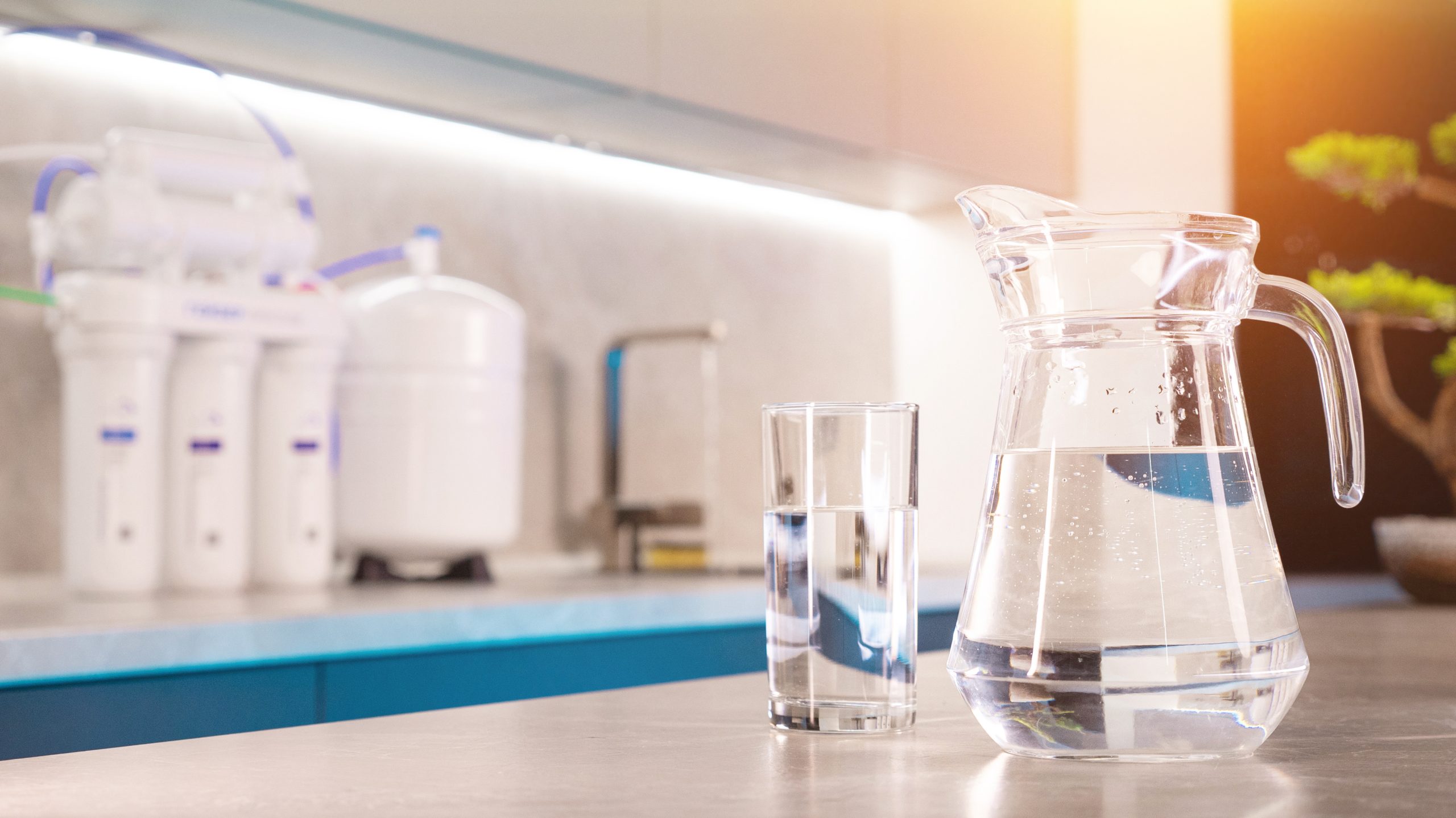
Reverse osmosis, or RO, is often used as a point-of-use system for drinking and cooking water. Water is pushed through a semipermeable membrane to reduce dissolved solids and a range of targeted impurities.
A typical RO system includes pre-filtration, the RO membrane, a storage tank, and post-carbon filtration. Ensor Plumbing provides water analysis, system recommendations, installation, filter and membrane replacement, maintenance, and system upgrades.
Make Water Quality Month Count
Water Quality Month is a good opportunity to complete a few simple household checks:
- Review your Consumer Confidence Report if your home receives municipal water.
- Schedule annual laboratory testing if your home relies on a private well.
- Inspect faucets and fixtures for scale, sediment, or unusual staining.
- Check your treatment equipment’s maintenance schedule, including filters, softener salt, UV lamps, and other replaceable components.
- Investigate sudden changes in water taste, smell, or color instead of assuming they will disappear.
Most importantly, avoid choosing treatment equipment based on guesswork. A softener, carbon filter, neutralizer, UV system, and reverse-osmosis unit all perform different jobs. Testing helps ensure you are treating the real issue rather than covering up one symptom.
Enjoy Greater Confidence in Every Glass
Whether your concern is hard water, staining, sediment, acidic water, unpleasant taste, or a test result that requires targeted treatment, Ensor Plumbing can help you understand your options.
The team provides professional water analysis, customized equipment recommendations, installation, repairs, and ongoing maintenance for homeowners throughout Baltimore and the surrounding Maryland counties.
Celebrate Water Quality Month by finding out what is really flowing through your home. Contact Ensor Plumbing to schedule a water quality evaluation and learn which water treatment solution may provide cleaner, better-performing water and greater peace of mind.
Frequently Asked Questions
What is Water Quality Month?
National Water Quality Month is observed in August. It encourages homeowners and communities to recognize the importance of clean water and take steps to understand and protect their water resources.
How do I know whether my home needs water treatment?
Common signs include mineral scale, spotted dishes, cloudy water, sediment, staining, unpleasant tastes or odors, and recurring plumbing corrosion. However, testing is the most reliable way to identify the cause and select an appropriate treatment system.
What is the difference between a water softener and a water filter?
A water softener primarily addresses hardness minerals such as calcium and magnesium. A water filter targets other concerns, which may include sediment, iron, tastes, odors, or specific contaminants. Some homes need both types of treatment.
How often should private well water be tested?
The CDC recommends testing private well water at least once each year for total coliform bacteria, nitrates, total dissolved solids, and pH. Additional testing may be necessary after flooding, well repairs, nearby disturbances, or changes in the water’s taste, color, or smell.
Can one water treatment system solve every water problem?
Usually not. Each treatment technology addresses specific concerns. Some homes need a multistage setup, such as sediment filtration followed by softening and UV treatment. Water testing and proper system design help determine the most effective combination.