Summer is one of the busiest seasons for your home’s plumbing system. Sprinklers are running, pools are being filled, gardens need watering, and everyone seems to be taking extra showers after spending time outdoors. If you’ve noticed low water pressure around your home during the warmer months, you’re not imagining it.
While increased seasonal demand can sometimes affect municipal water supplies, persistent low water pressure in your house often points to an issue within your own plumbing system. Fortunately, understanding the most common causes can help you determine whether it’s a simple fix or time to call a trusted Maryland plumber.
Why Water Pressure Often Drops During Summer
Summer creates unique conditions that can contribute to water pressure problems.
Municipal water systems often experience higher demand as neighborhoods use more water for irrigation, landscaping, and recreational activities. During peak usage hours—especially early mornings and evenings—you may notice a temporary reduction in water pressure.
At the same time, your own household is likely using more water than usual. Running sprinklers while someone showers or washing multiple loads of laundry after a family vacation can make pressure feel noticeably lower.
If your water pressure returns to normal later in the day, seasonal demand may be the primary cause. However, if the problem persists regardless of the time or affects only your home, there’s likely another issue worth investigating.
Common Causes of Low Water Pressure in Maryland Homes
While summer demand can contribute to low water pressure in summer, several plumbing issues are far more common.
Mineral Buildup in Fixtures
Many Maryland homes experience mineral deposits from hard water. Over time, these minerals accumulate inside faucet aerators and showerheads, restricting water flow.
If only one sink or shower has weak pressure, cleaning the aerator or replacing the showerhead may solve the problem.
Aging or Corroded Pipes
Older homes with galvanized steel plumbing may develop internal corrosion that gradually narrows the inside of the pipes. As the opening becomes smaller, less water can flow through, leading to lower pressure throughout the home.
If you’ve noticed pressure slowly declining over several years, aging pipes could be the culprit.
Hidden Plumbing Leaks
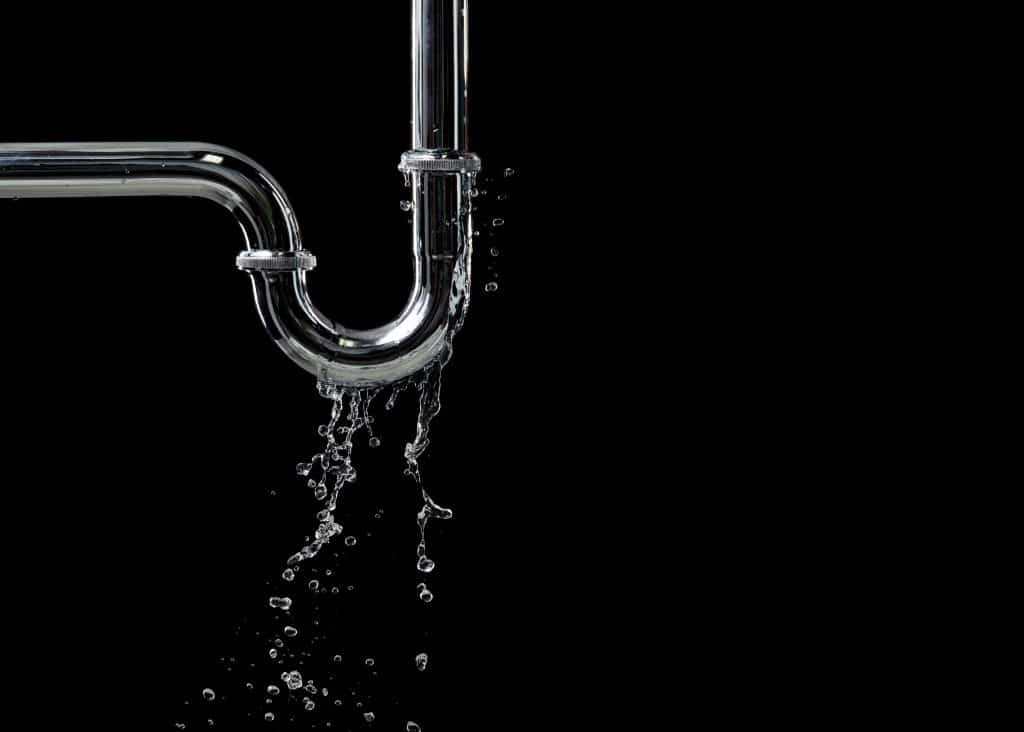
Even a relatively small leak behind a wall, under a crawl space, or beneath your yard can reduce the amount of water reaching your fixtures.
Watch for signs such as:
- Unexpectedly high water bills
- Damp drywall or flooring
- Soft spots in the yard
- Water stains on ceilings
- The sound of running water when everything is turned off
If you suspect a hidden leak, professional leak detection is the safest next step.
Failing Pressure Regulator
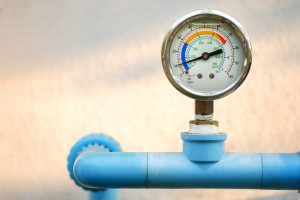
Many homes have a pressure-reducing valve (PRV) that controls incoming water pressure.
When this valve begins to fail, pressure may suddenly become too low—or in some cases, fluctuate dramatically throughout the day.
Because diagnosing and replacing a pressure regulator requires specialized equipment, it’s best handled by a licensed plumber.
Partially Closed Shutoff Valves
Sometimes the solution is surprisingly simple.
If the main shutoff valve or water meter valve isn’t fully open—perhaps after recent plumbing work—it can restrict water flow throughout the house.
Well System Problems
If your home uses a private well, water pressure drops in summer may be related to the well system rather than municipal demand.
Possible causes include:
- A failing well pump
- Pressure tank issues
- Clogged filters
- Low groundwater levels during extended dry weather
If your home relies on well water, scheduling a professional inspection can quickly identify the source of the problem.
How to Troubleshoot Low Water Pressure
Before scheduling service, there are a few safe troubleshooting steps homeowners can try.
Test Multiple Fixtures
Is the problem affecting one faucet or every fixture in the house?
If only one fixture has poor pressure, the issue is likely localized. If the entire house is affected, the problem may involve your plumbing system or water supply.
Clean Faucet Aerators
Unscrew faucet aerators and rinse away any mineral buildup or debris.
This quick maintenance task often restores normal water flow.
Check Outdoor Hose Bibs
Connect a hose to an exterior spigot.
If outdoor pressure is strong while indoor fixtures struggle, the issue may be isolated to interior plumbing.
Look for Signs of Leaks
Inspect around toilets, under sinks, near your water heater, and anywhere visible plumbing is located.
Even a slow leak can contribute to why your water pressure is low.
Ask Your Neighbors
If nearby homes are experiencing similar problems, your local water utility may be performing maintenance or responding to unusually high seasonal demand.
Signs It’s Time to Call a Professional Plumber
Some plumbing problems in summer require more than basic troubleshooting.
Contact a plumber if:
- Water pressure suddenly drops throughout the entire house.
- You have little or no water pressure.
- Pressure changes are accompanied by leaks.
- Water appears rusty or discolored.
- Pipes make unusual banging or whistling noises.
- You’ve tried basic troubleshooting without improvement.
Prompt diagnosis can prevent more expensive plumbing repairs and help protect your home’s water system.
If you’re dealing with a plumbing emergency, don’t wait.
Preventing Future Water Pressure Problems
While some issues are unavoidable, regular maintenance goes a long way toward preventing future problems.
Helpful preventive measures include:
- Clean faucet aerators and showerheads every few months.
- Watch for unexplained increases in your water bill.
- Repair small leaks before they become major problems.
- Schedule routine plumbing inspections.
- Have well systems serviced regularly if your home relies on private well water.
- Replace aging plumbing components before they fail.
Routine inspections can often identify worn valves, pressure regulators, or deteriorating pipes before they lead to frustrating water pressure issues.
Don’t Ignore Persistent Low Water Pressure
Occasional fluctuations during busy summer days aren’t unusual. However, if low water pressure continues for more than a day or two—or keeps returning—it could signal an underlying plumbing problem that deserves professional attention.
At Ensor Plumbing, we’ve helped homeowners throughout Baltimore County and Central Maryland diagnose everything from hidden leaks and failing pressure regulators to well system issues and aging pipes. Our experienced team will identify the cause, explain your options clearly, and recommend the right solution for your home.
If you’re experiencing persistent low water pressure, Contact Us to schedule an inspection. We’ll help restore reliable water flow and give you confidence that your plumbing system is ready for the rest of the summer.

Frequently Asked Questions
Why is my water pressure lower during the summer?
Higher seasonal water demand can temporarily reduce municipal water pressure, especially during peak watering hours. However, ongoing low water pressure may also indicate clogged fixtures, hidden leaks, aging pipes, or problems with your home’s plumbing system.
What causes plumbing leaks during the summer?
Hot weather itself doesn’t directly reduce water pressure, but increased neighborhood water usage during summer often places greater demand on municipal water systems. Homes with private wells may also experience pressure changes during extended dry periods.
Why do I have low water pressure in only one faucet?
If only one fixture has low pressure, the most common causes are a clogged aerator, mineral buildup, or a problem with that fixture’s shutoff valve. Cleaning the aerator is often a quick and easy first step.
Can a plumbing leak cause low water pressure?
Yes. Hidden plumbing leaks allow water to escape before it reaches your fixtures, reducing pressure throughout part or all of your home. Leaks should be repaired promptly to prevent water damage and higher utility bills.
When should I call a plumber for low water pressure?
It’s time to call a plumber if water pressure suddenly drops throughout the house, you have no water pressure, the problem persists after basic troubleshooting, or you notice leaks, unusual pipe noises, or discolored water. A professional can identify the underlying cause and recommend the appropriate repair.