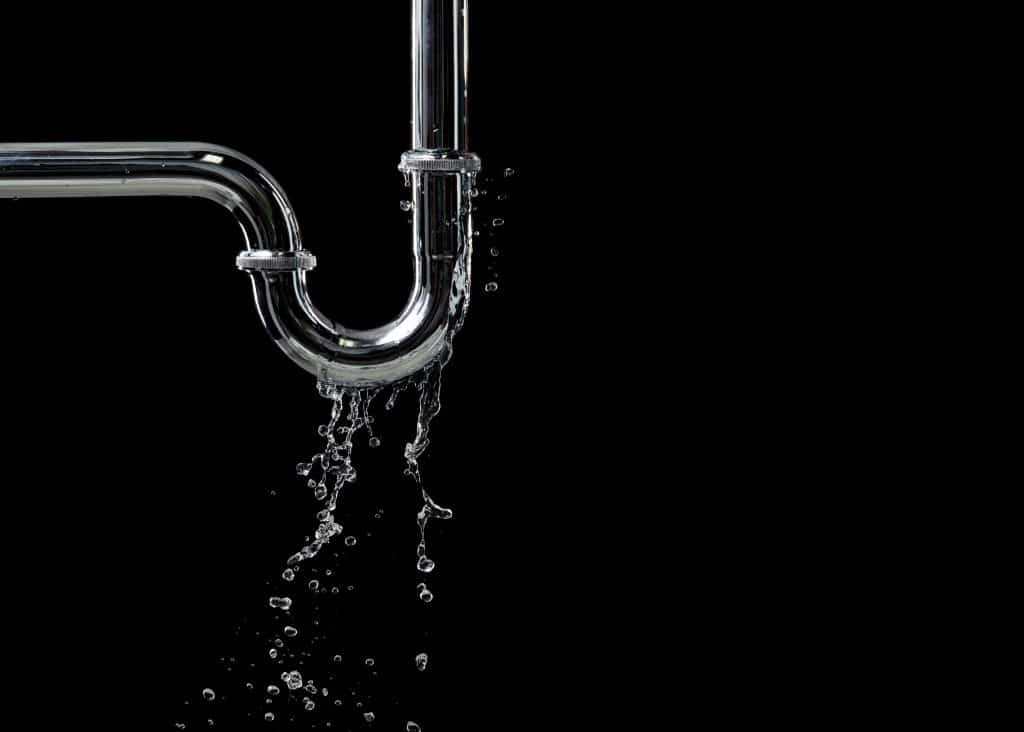

Winter has its icy talons dug DEEP – even as far south as Florida – and we just rang in the New Year! There’s plenty of cold temps ahead, and that means frozen pipes and plumbing emergencies. Nationwide, some 250,000 Americans experience property damage every year from flooding caused by ruptured pipes. All it takes is a 1/8-inch crack in your water supply line to result in a catastrophic plumbing problem, inundating your home with possibly 250 gallons of water.
Ensor Plumbing wants you to be prepared for anything until we start to thaw out! So here are some tips on not just WHAT to do – but WHY!
How Cold Is Too Cold?
True, water freezes under controlled conditions at 32 degrees, but the water in your pipes won’t turn to ice the minute the temperature dips below freezing. The outdoor temperature threshold for frozen pipes is around 20 degrees. Nighttime temperatures in our area will occasionally dip below that temperature almost any time during the winter, so it makes sense to be prepared all winter long. And you can do so, inside and outside your home! Let’s start inside, shall we?
Nook & Cranny Precautions
Here’s a one-two punch to thwart frozen pipes and pipe ruptures: start by stopping heat loss from water INSIDE the pipes that send the municipal water into your home via the main supply line. Most supply lines are buried below the frost line where residual heat in the ground keeps the water above freezing. But as the pipe enters your home, the heat in the water evaporates into the cold air and freezing is possible. To prevent this, cover exposed pipes in crawl spaces your basement or attic with foam pipe insulation sleeves or wrap them with pipe insulation tape.
Another way to reduce heat loss from pipes is to close vents that allow outdoor air inside. That way, heat in the living space can seep into the crawl space. In addition, keep your garage door shut if you have any plumbing out installed there. Warm air circulating throughout the home during very cold weather also benefits plumbing below floors and inside walls that may be susceptible to freezing. Maintain interior temperatures of at least 55 degrees, and open cabinets under sinks and close to exterior walls to send household heat to the pipes.
The Pressure’s Off
You hear it on the news all the time when a hard freeze is expected: let a trickle of water running from the faucet to prevent frozen pipes. But not for the reason you think! It’s not the small movement of water through the pipes that prevents the water from freezing! As you can see in this photo, even rapidly moving water freezes in streams and waterfalls.
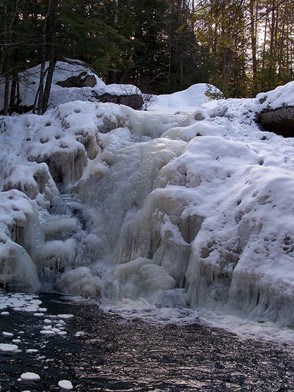
Actually, pipes containing frozen water don’t rupture because of the force of ice expanding outward. Instead, ice forming in the pipe expands laterally and pressurizes water trapped in the pipe between the site of the ice formation and a closed faucet or other outlet. It is this over-pressurized water that actually ruptures the pipe. By opening faucets slightly throughout the house and allowing them to drip, drip, drip provides pressure relief and avoids pipe damage.
Next time, some tips on outdoor protection. In the meantime, bundle up! And if you DO have a plumbing emergency, count on Ensor for 24/7 service!
Ensor Plumbing is a family-owned business serving Reisterstown and area homes since 1961! Get to know us BEFORE you have a plumbing emergency. 410-429-4959. Or request service right here from our website.