As the weather warms up across Central Maryland, homeowners begin tackling spring cleaning, landscaping projects, and outdoor maintenance. Unfortunately, spring also brings a seasonal plumbing problem many people do not expect: slow drains.
If your sinks, tubs, or showers seem to drain more slowly this time of year, you are not alone. Spring weather creates several conditions that can put extra stress on your plumbing system. From tree root growth to increased rainfall and debris buildup, your drains may be struggling more than usual.
The good news is that slow drains are often easier and less expensive to fix when caught early. Understanding what causes these issues can help you prevent major plumbing problems later in the season.
Why Drains Slow Down in Spring
One of the biggest causes of spring drain problems is increased moisture in the ground. Heavy rain and melting snow can saturate the soil around your home, placing additional pressure on underground sewer and drain lines. Older pipes are especially vulnerable during this time of year.
Spring is also when tree roots become more active. Roots naturally seek out water sources, and even small cracks in underground pipes can attract them. Over time, roots can grow into drain lines and partially block the flow of water. Many homeowners first notice this problem through slow drains, recurring clogs, or gurgling noises coming from sinks and toilets.
Another common issue is debris buildup from winter months. Grease, soap residue, hair, and food particles can accumulate inside pipes over time. During colder weather, these materials often harden within the plumbing system. Once spring arrives and water usage increases, those partial blockages become much more noticeable.
Homes throughout Central Maryland frequently experience seasonal drain problems due to changing weather conditions and aging plumbing infrastructure.
Signs You May Need Professional Drain Cleaning
A slow drain may seem like a small inconvenience at first, but it can quickly become a larger plumbing issue if ignored. Recognizing the warning signs early can help you avoid backups and costly repairs.
You may need professional drain cleaning if you notice:
- Water draining slowly from sinks, tubs, or showers
- Frequent clogs in the same fixture
- Gurgling sounds coming from drains
- Unpleasant odors near sinks or floor drains
- Water backing up into tubs or showers
- Multiple drains slowing down at the same time
If more than one drain in your home is affected, the issue may be located deeper within your sewer line rather than in a single fixture.
Why Chemical Drain Cleaners Can Make the Problem Worse
When homeowners notice a slow drain, many immediately reach for a chemical drain cleaner. While these products may provide temporary relief, they often do more harm than good.
Chemical drain cleaners can damage pipes over time, especially in older homes. They are also ineffective against more serious blockages such as tree roots or heavy buildup. In some cases, the chemicals can harden debris further or create harmful fumes inside your plumbing system.
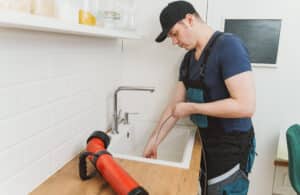
Professional drain cleaning is a safer and more effective solution. At Ensor Plumbing, we use professional equipment designed to clear drains thoroughly without damaging your pipes.
How Professional Drain Cleaning Helps
Professional drain cleaning does more than remove clogs. It helps restore proper flow throughout your plumbing system and can identify potential problems before they become emergencies.
Depending on the issue, a plumber may recommend drain snaking, video pipe inspection, or hydro jetting to fully clear the blockage. If tree roots are invading your sewer line, early detection can help prevent severe pipe damage and expensive repairs.
Routine drain maintenance can also improve the lifespan of your plumbing system and reduce the risk of backups during heavy spring storms.
Protect Your Home From Spring Plumbing Problems
Spring is one of the busiest seasons for plumbing service calls throughout Maryland, especially after periods of heavy rain. Taking care of slow drains early can help protect your home from water damage, sewer backups, and expensive emergency repairs later in the year.
If you are noticing slow drains, recurring clogs, or foul odors in your home, Ensor Plumbing is here to help. Our experienced team provides professional drain cleaning and clogged drain repair services for homeowners throughout Baltimore County, Carroll County, Howard County, Harford County, and surrounding Maryland communities.
Contact Ensor Plumbing today to schedule a professional drain inspection and keep your plumbing system flowing smoothly this spring.
Frequently Asked Questions
Frequently Asked Questions
Why do residential drains slow down during the spring?
Drains often become sluggish in the spring due to three seasonal factors: invasive tree root growth actively seeking out moisture in underground pipes, increased groundwater infiltration caused by heavy seasonal rains, and the shifting or solidifying of fats, oils, and grease (FOG) that accumulated inside kitchen lines over the winter months.
Can heavy spring rains cause my main sewer line to back up?
Yes. Heavy spring downpours quickly saturate the surrounding soil, creating significant hydrostatic pressure around your underground plumbing. If your sewer lines have minor cracks, loose joints, or compromised seals, this excess groundwater can seep into the pipes. The infiltration carries silt and mud into the line, reducing capacity and causing wastewater to back up into the lowest drains of your home.
How do professionals safely clear tree roots from drain lines?
Professional plumbers use a multi-step process to clear root intrusions without damaging your property. First, a high-resolution video pipe inspection is performed to locate the exact point of entry. Then, technicians utilize hydro-jetting, which is a method that blasts high-pressure water streams through the pipe to thoroughly scrub the interior walls, slice through the root masses, and flush the debris cleanly out to the municipal sewer main.